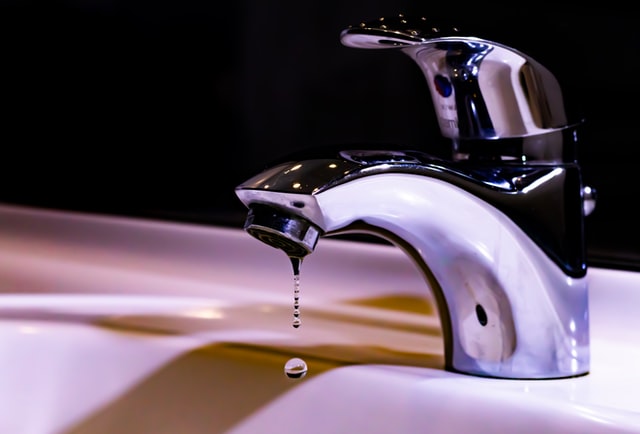
Plumbing Faucets and Showerhead Care
Faucets and showerheads also need care and attention. These plumbing fixtures are used day in and day out, and with regular maintenance, they could last much longer. And while a new faucet and showerhead may not cost much, the hassle of a failing faucet or showerhead, the inconvenience of having it replaced, and the plumbing service fees are best kept at bay.
There are several ways to keep faucets and showerheads in good working condition. Cleaning them periodically and using them carefully will help prolong the life of these plumbing fixtures. This article shall discuss the best ways to clean and maintain these plumbing contraptions.
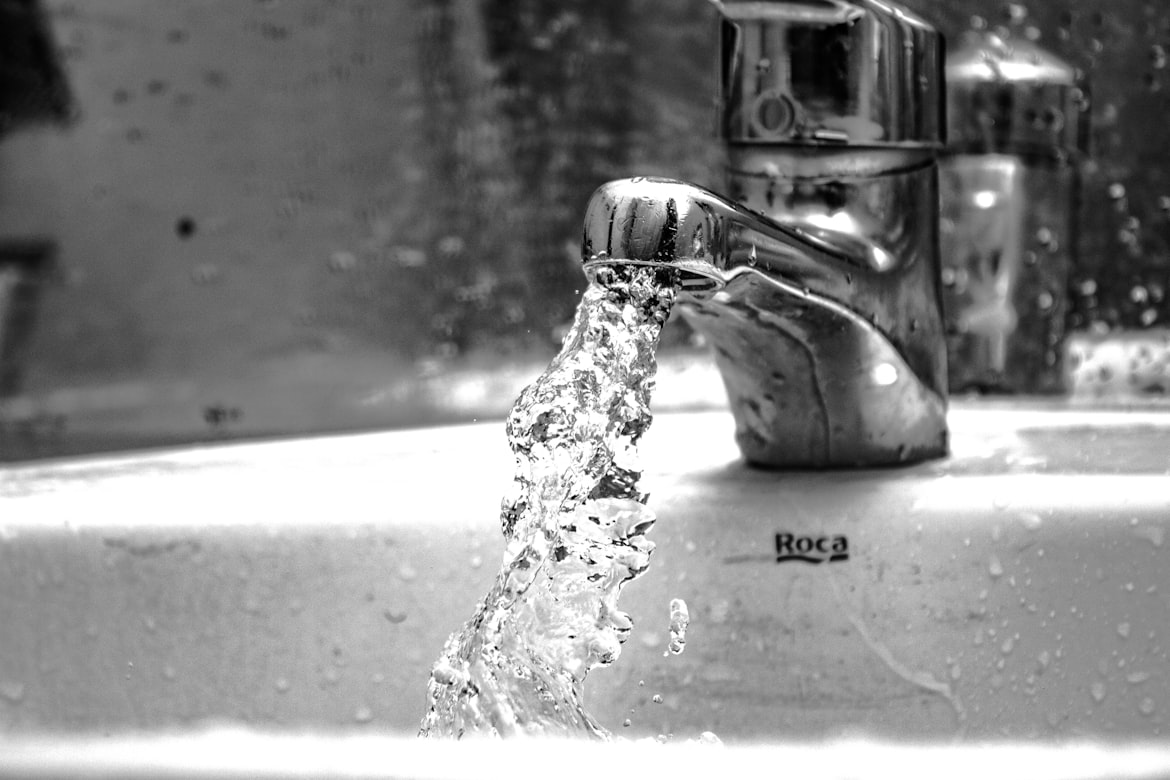
Caring for the faucet
Most faucets are kept well maintained simply by wiping the faucet with a clean and soft cloth at least once a day. By keeping the fixture dry, the sedimentations are removed and the possibility of premature corrosion is avoided. Homeowners will also benefit from using the faucet with care. Every faucet user should carefully turn on and turn off the faucet with care not to cause premature wearing out of these fixtures.
It is a different matter altogether when the water supply is hard water. Hard water has minerals and sedimentation that could cause corrosion. If the water supply in the property is hard water, homeowners should exert effort to keep fixtures dry at all times so that rusting and corrosion can be prevented. He should also consider asking a licensed plumbing contractor to install a water softener for his property. Water softeners remove the minerals in the water that could cause corrosion and is damaging to the plumbing system.
How to know if the water supply is hard water? When there are scales and white watermarks within the fixtures and the sink or the tub, the water supply is hard water. If interested, a homeowner can easily request for installation of a water softener from any local plumbing contractor.
Cleaning the faucet
Homeowners can likewise periodically clean their faucet’s aerators. The best way to go about it is by brushing it with a toothbrush that is dipped in a vinegar solution. Some homeowners meanwhile choose lemon juice. Either way, it will help avoid build-up. Some homeowners even go to great lengths by soaking the aerator and faucet in plastic with a vinegar-water solution until the build-up loosens up and it could be easily brushed away.
Showerhead maintenance
Cleaning the showerhead is much like cleaning the faucet. Homeowners can keep it well-maintained by wiping it dry each time, and periodically deep cleaning its aerators with a toothbrush dipped in a vinegar solution. In hard water areas, the vinegar soak solution is useful and effective, especially when there is no water softener installed on the property.
Fixing plumbing problems
Fixing plumbing problems right away also helps in keeping faucets and showerheads well-maintained. For instance, if there seems to be a leak, or if the water pressure is way too low or too high, the homeowner should immediately seek 24/7 plumber services for professional plumbing help. Foregoing repairs could just make matters worse. And apart from that existing plumbing issue, other problems could also occur like water damage, mold growth, and the like. For more information on plumbing services visit Ace Contractors website.
SUGGESTED PHOTO: https://unsplash.com/photos/hc8wUjr5S_Q
SUGGESTED CAPTION: Faucets and showerheads also need care and attention. (Photo Credits) https://unsplash.com/photos/hc8wUjr5S_Q